
Understanding the Tax Implications of Your Side Hustle

Understanding the Tax Implications of Your Side Hustle Earning side income or freelancing is a great way to boost your finances, but it also comes with specific tax responsibilities. Understanding what to report and how to maximize deductions is essential to avoid penalties and make the most of your hard-earned income. What to Report Freelancers and side hustlers must report all income, even if they don’t receive a formal tax form like a 1099-NEC. Keep records of payments received through platforms like Venmo, PayPal, or direct deposits. The IRS considers all income taxable, so staying organized with invoices and payment records is key. Deductions You Can Claim Self-employment comes with perks, including deductible expenses that reduce taxable income. Common deductions include: Home Office: If you have a dedicated workspace, you can deduct a portion of your rent or mortgage. Supplies and Tools: This includes software, equipment, or materials used for your work. Travel and Mileage: Business-related travel and vehicle use may qualify. Internet and Phone Bills: Deduct the percentage used for business purposes. Keeping detailed receipts and using apps to track expenses ensures you claim every eligible deduction. How to Avoid Penalties Pay Quarterly Taxes: If you expect to owe $1,000 or more in taxes, you’re required to make estimated payments quarterly. Save for Self-Employment Tax: This includes Social Security and Medicare taxes, totaling 15.3%. Stay Organized: Use accounting software to track income and expenses year-round. Navigating taxes doesn’t have to be overwhelming. You can reduce stress and keep more of your income by staying informed and proactive. Need help with freelance taxes? Contact MacNeal LLC for expert guidance to maximize deductions and stay compliant!
The Importance of Year-Round Tax Planning for Individuals and Businesses
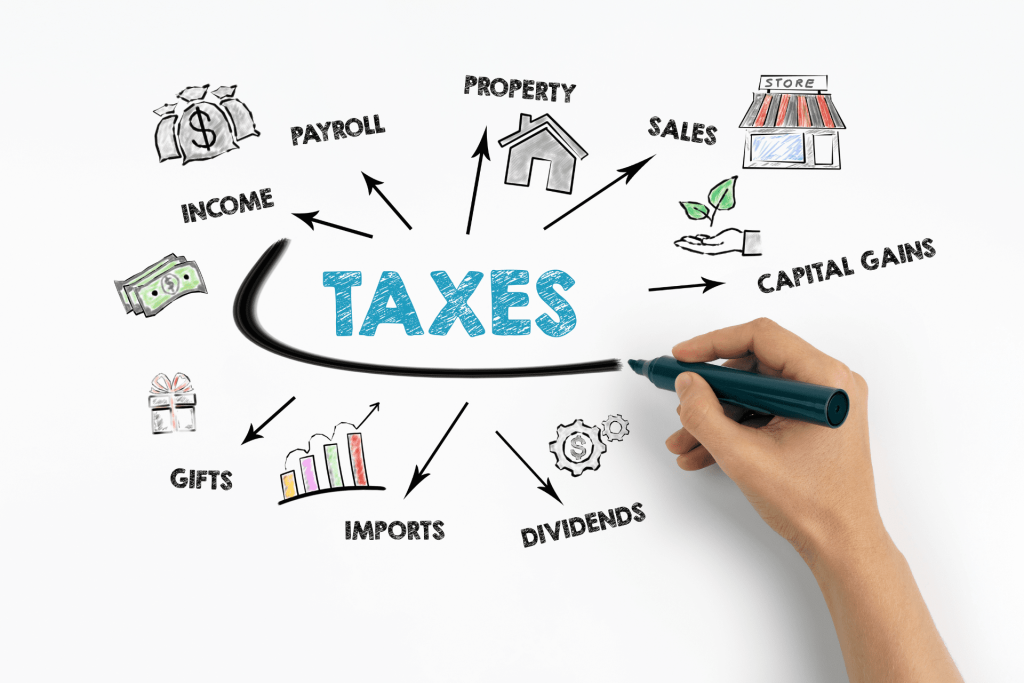
Tax season often feels like a rush to gather documents, crunch numbers, and meet deadlines. While this frantic energy is typical, it’s not the best approach. Year-round tax planning can transform this stressful ritual into an organized, proactive process, offering significant financial and emotional benefits for individuals and businesses alike. Why Year-Round Tax Planning Matters Tax planning isn’t just about filing returns—it’s about maximizing your financial potential. By addressing your tax obligations and opportunities throughout the year, you can save money, reduce stress, and ensure compliance with ever-changing tax laws. Maximize Deductions and Credits Waiting until tax season to consider deductions often means missed opportunities. Year-round planning helps you track deductible expenses as they occur, ensuring nothing slips through the cracks. This includes tracking operational costs, charitable contributions, and industry-specific credits for businesses. Individuals can benefit from planning major life events—like buying a home or funding education—to optimize tax benefits. Avoid Last-Minute Surprises One of the most stressful aspects of tax season is discovering you owe more than expected. Regular reviews of your financial situation can help you anticipate and manage tax liabilities, providing a sense of security and control. Businesses, for instance, can adjust quarterly payments based on income fluctuations, while individuals can refine their withholdings to avoid owing a lump sum. Stay Compliant with Changing Tax Laws Tax laws constantly evolve; missing an update can lead to costly mistakes. Year-round tax planning ensures you stay informed and compliant, empowering you with the knowledge to adapt to changes in deductions, credits, or reporting requirements. Improve Cash Flow Management Effective tax planning helps businesses and individuals allocate resources more efficiently. By forecasting tax liabilities and integrating them into financial strategy, you can avoid disruptions in cash flow and confidently plan for growth or investments, leading to a sense of financial liberation and control. Proactive Strategies for Better Outcomes Adopting a year-round tax planning mindset can be as simple as keeping organized records, consulting a tax professional regularly, and setting aside time for quarterly reviews. A tax professional can provide expert advice, help you navigate complex tax laws, and identify opportunities for tax savings. Some specific strategies they might recommend include: – For businesses: Structuring expenses to align with tax advantages, such as investing in equipment towards the end of the year to take advantage of depreciation, leveraging retirement contributions, and optimizing depreciation schedules. – For individuals: Timing deductions, contributing to retirement accounts, and exploring tax-advantaged investments. Make Tax Season Stress-Free with MacNeal LLC Effective tax planning is not just about saving money—it’s about creating peace of mind. Year-round planning makes all the difference, whether you’re looking to optimize your finances or a business aiming for better financial health. At MacNeal LLC, we specialize in proactive tax strategies that help you stay ahead. Let us guide you through the complexities of tax planning and ensure your financial goals align with a solid tax strategy. Ready to plan smarter? Contact MacNeal LLC today to schedule a consultation and take the stress out of tax season—for good. Start your journey towards proactive tax planning and financial peace of mind.
Avoiding Common Tax Filing Errors: A Guide to Smooth, Error-Free Submissions

Filing taxes can be a stressful experience, especially if you’re worried about making mistakes that could delay your refund or trigger an audit. The good news is that with a little awareness and preparation, you can avoid the most frequent tax filing errors and ensure a smoother filing process. This guide will walk you through the most common mistakes and practical tips to prevent them, providing you with a sense of relief and reassurance. Incorrect Personal Information One of the most common and easily avoidable tax filing errors is submitting incorrect personal information. Whether it’s a misspelled name, wrong Social Security number, or outdated address, small mistakes can lead to big delays in processing your return. How to Avoid It: Double-check all personal details before submitting your tax forms. Make sure your name matches exactly what is on your Social Security card, and update your address with the IRS if you’ve moved. Missing or Incorrect Forms Filing without all the necessary forms, or including incorrect information on forms, is another frequent error. For instance, forgetting to include income from a side job or leaving out important forms like 1099s can lead to discrepancies that the IRS will notice. How to Avoid It: Before you start, gather all the forms you need, including W-2s, 1099s, and any other income statements. Create a checklist to ensure you don’t overlook any documents. If you’re unsure which forms you need, consult a tax professional or use a reputable tax filing software that prompts you for the required information. Math Errors Basic math errors can derail your tax filing. For instance, miscalculating deductions, tax credits, or total income, such as misplacing a decimal point or adding instead of subtracting, are surprisingly common. The IRS reviews returns and will correct math errors, but this can slow down the processing of your return. How to Avoid It: If you’re doing your taxes manually, double-check every calculation. Better yet, use tax software that automatically calculates your income, deductions, and credits to eliminate human error. Filing Status Mistakes Choosing the wrong filing status can either result in paying too much in taxes or underreporting, which could lead to penalties. For instance, some people accidentally file as “Single” when they qualify for “Head of Household,” potentially costing them valuable tax benefits. How to Avoid It: Make sure you understand the different filing statuses (Single, Married Filing Jointly, Head of Household, etc.) and choose the one that best applies to your situation. This understanding will empower you to make the right decision. If you need clarification, a tax professional can help determine your correct status. Overlooking Deductions and Credits Many taxpayers miss out on significant savings by failing to claim deductions and credits they’re eligible for. Commonly overlooked deductions include medical expenses, charitable donations, and education costs. How to Avoid It: Research which deductions and credits you qualify for before filing your return. This proactive approach will make you feel financially savvy. If you’re using tax software, it often suggests applicable deductions based on your answers. If you’re filing on your own, the IRS website is a valuable resource, or you can consult with a tax advisor to make sure you’re not leaving money on the table. Failing to Sign and Date the Return It may seem obvious, but a surprising number of people need to remember to sign and date their tax returns, rendering them incomplete and causing delays. An unsigned return is considered invalid, and the IRS may reject it, leading to potential penalties and delays in processing your return. This applies to both physical and electronic returns. How to Avoid It: If you’re filing on paper, ensure every required field is filled out, and sign and date where necessary. If you’re filing electronically, most systems prompt you to electronically sign before submitting. Final Thoughts Filing taxes can feel overwhelming, but avoiding these common errors can help make the process smoother and error-free. Double-check your work, gather all necessary documents, and take advantage of deductions and credits you’re entitled to. If in doubt, consult a tax professional who can guide you through the process and help you avoid costly mistakes. By staying vigilant and organized, you can submit your taxes with confidence and reduce the likelihood of errors that could delay your return or result in penalties. Contact a professional at MacNealLLC.com if you would like more assistance with any of your tax filing needs.
When Should You Hire an Accountant for Tax Assistance?

In today’s complex financial landscape, understanding the intricacies of tax filing can be daunting for individuals and businesses. The tax code constantly evolves, making it challenging to stay updated and compliant. This is where the expertise of an accountant becomes invaluable. Working with an accountant for personal and business tax filing helps avoid costly mistakes and maximizes potential savings. In this blog, we’ll explore the benefits of partnering with an accountant and identify when hiring one is essential. An accountant is much more than just a tax preparer; they are trusted financial advisors who have undergone extensive education and training. They possess an in-depth understanding of tax laws and are equipped to navigate the complexities of both personal and business finances. This expertise is crucial in ensuring compliance with current tax laws and identifying potential tax savings opportunities that may otherwise be overlooked. One of the primary benefits of working with an accountant is their ability to provide personalized tax planning advice. Tax planning is a critical component of financial health, and an accountant can offer strategies tailored to your specific situation, helping minimize your tax liability and maximize your returns. This could mean identifying tax credits and deductions related to operations, investments, and employee benefits for businesses. For individuals, it might involve strategies for investment income, real estate transactions, or retirement planning. Another significant advantage is error prevention. Mistakes on tax returns can lead to audits, penalties, and interest charges. Accountants are trained to ensure accuracy and compliance, reducing the risk of errors and the stress associated with potential audits. Their attention to detail ensures that every deduction and credit is accurately claimed, providing peace of mind that your tax filings are in good hands. The question then arises: when is it essential to hire an accountant? While not everyone may need the comprehensive services of an accountant, there are certain situations where their expertise is particularly beneficial. If you are a business owner, navigating business taxes with professional help is a smart move. Accountants can assist with payroll tax issues, sales tax compliance, and tax-efficient business structuring. For individuals, significant life changes such as marriage, divorce, the purchase or sale of a property, or the start of a new business are all triggers for seeking an accountant’s expertise. Additionally, if you have investments, foreign income, or rental properties, the complexity of your tax situation increases, making an accountant’s guidance invaluable. In conclusion, while it’s possible to tackle tax preparation independently, the benefits of working with an accountant—from personalized tax planning and error prevention to compliance and peace of mind—are substantial. Whether you’re running a business or navigating personal tax complexities, MacNeal LLC can provide the expertise and advice needed to ensure you’re making the most of your financial situation while staying compliant with tax laws. Recognizing when it’s time to seek professional help can save you from costly mistakes and help maximize your tax savings. Contact MacNeal LLC for assistance today!
Tax Implications of Selling a Business

Are you thinking about selling your business? Selling your business means earning extra income, and income means taxes. But how much will you owe, and what can you do to reduce your tax? Understanding the tax implications is important to ensure you follow the appropriate tax filings and stay compliant. Let’s look at some key factors you need to know about taxes when selling your business. Individual Asset Classification and Tax Treatment When you sell your business, as per the IRS rules, each asset must be classified and taxed separately: Capital Assets: These include items like stocks or bonds. Selling these assets results in a capital gain or loss. For instance, if your business holds investments or intellectual property, the profit from these is taxed as a capital gain. Depreciable Property: This includes business equipment or machinery. If you’ve owned this property for over a year, it is under a different section, which can result in favorable tax treatment. Real Property: Real estate used in your business is also taxed differently. This includes your office or storefront. Inventory: Items held for sale to customers, such as products or raw materials, are considered inventory—the sale of inventory results in ordinary income or loss. Business Structure and Its Impact on Taxes The tax impact of the sale depends on your business structure. Each structure has different tax rules and implications for selling assets. Partnerships: Selling your interest in a partnership is generally treated as selling a capital asset. Gains from items like unrealized receivables or inventory are ordinary income. This distinction is important for accurately calculating your taxes. Corporations: When you sell stock in a corporation, it’s usually a capital gain or loss. The process is different in corporate liquidation, where a company sells or distributes its assets to wind up its affairs. The corporation must treat these assets as sold at their current market value, recognizing any gains or losses. A reliable tax consultant who understands all these implications is important when filing your taxes. Steps to Minimize Your Tax Burden Minimizing the taxes on the sale of your business is important to maximizing your profits. By strategically filing your taxes and seeking the help of a professional tax consultant, you gain more clarity and ease the process. Here are some of the tips to follow to minimize your tax burden: Timing the Sale: Strategic timing can impact taxes, such as holding assets for lower capital gains rates or selling at year-end to spread income over two tax years. Structuring the Deal: Opt for installment sales to spread tax liabilities and allocate more sale proceeds to assets taxed at lower rates (e.g., capital assets). Consulting a Tax Professional: Get guidance from tax advisors and accountants to develop tailored strategies and ensure compliance with IRS regulations. Are you planning to sell your business? Our expert team at MacNeal LLC can help you minimize taxes and maximize your financial outcomes. Schedule a consultation today to sell your business effectively!
Tax Tips for Startup Businesses

Starting a new business is an exciting journey with many opportunities and responsibilities. Tax planning is one of the most important aspects of the startup business process. Proper tax planning can help you save money, avoid expensive mistakes, and focus on growing your business instead of dealing with tax issues. Here are some tax tips to guide you through this critical aspect of your business. Keep Accurate Records Understanding taxes is a part of any business. It is best to assess your company’s financial health and determine the potential for tax savings at the right time. One of the most important things you can do is maintain precise records of all your expenses and income. This will make tax time much more convenient. Track All Expenses Ensure you keep receipts and records for all business-related purchases. This includes supplies, travel expenses, and other costs incurred while running your business. A dedicated expense tracker or mobile app can help you keep everything organized on the go. Use Accounting Software Consider using accounting software to help you stay organized. Many tools are available that can simplify tracking expenses and income, making it easier to file taxes. QuickBooks, Xero, and FreshBooks are popular options catering to small businesses’ needs. Separate Personal and Business Finances Keep your personal and business finances separate to avoid confusion and simplify your tax preparation. A dedicated business bank account can help you track your income and expenses more quickly, making it easier to prepare your taxes. This also helps maintain a clear distinction between your personal and business transactions, which is necessary for accurate financial reporting. Using a business credit card for all business-related expenses can also help streamline your record-keeping and make it easier to identify deductible expenses when tax season arrives. Choose the Right Business Structure The way you structure your business significantly impacts your tax responsibilities. Different options, such as sole proprietorship, partnership, LLC, S-Corp, and C-Corp, have tax advantages and disadvantages. It’s best to seek advice from a tax advisor to determine which structure best aligns with your business goals and can provide the most tax benefits. Address State and Local Taxes Illinois has a 6.25 percent state sales tax rate, a 4.75 percent maximum local sales tax rate, and an average combined state and local sales tax rate of 8.82 percent. However, these taxes will change according to the business, state, and locality. Understanding and complying with these taxes will help to mitigate risks and explore more planning opportunities. Explore Tax Credits and Incentives Tax credits lower the total amount you owe to the IRS on income tax. A deduction lowers your taxable income. Based on the industry you are serving, you can have many benefits. Understanding and leveraging tax credits and incentives can significantly impact your company’s bottom line. Since tax laws change frequently, stay updated to maximize the available benefits. Consulting with an experienced tax professional can help you assess your eligibility, capture the credit, and document your claim. Consult a Professional Taxes can be confusing, but you need to handle them appropriately for your startup to flourish. Tax planning can help businesses utilize available opportunities, such as credits and incentives while staying compliant. Experienced tax professionals, like those at MacNeal LLC, can help you navigate taxes and provide valuable advice to benefit your startup. If you’re a startup that’s looking for help this tax season, look no further than our team at MacNeal LLC! Contact us to learn more about our accounting services and how we can assist you.
Tax Compliance Checklist for Small Businesses

Tax management can be challenging for small business owners. This is because tax laws are becoming more complex every year, and the rules are constantly changing. Small companies must pay their taxes on time to prevent expensive fines and future legal troubles. Read on to explore the crucial tax compliance aspects to pay attention to. Gather Your Financial Arsenal The foundation of successful tax preparation lies in organization. The first step is to assemble all your small business’s financial records. This includes carefully tracking deductible expenses— which is crucial for accurately calculating your taxable income and maximizing deductions. You can do this by: Rounding Up Receipts Gather receipts for all expenses incurred throughout the year, from office supplies to travel costs. Keep them organized and easily accessible for reference. This can help streamline your year-end tax compliance process. Embracing Automation Consider using a dedicated system or accounting software to track deductible expenses. This could involve maintaining a separate bank account or employing software solutions. Cross-check your documentation against your bank and credit card statements for accuracy and completeness. Employee Information Accurate employee information lets you avoid any last-minute scrambling. You can start by verifying whether new hires have completed all necessary paperwork, including W-4 and I-9 forms. Here are some additional things to review: Benefits Administration: Check health insurance, retirement plans, and other employee benefits to ensure all related information is up-to-date. Pay special attention to dependents and beneficiaries. Payroll Precision: Scrutinize payroll records to confirm they accurately reflect each employee’s hours worked, wages earned, and deductions taken. Tax Form Timeliness: Confirm that all necessary tax forms, such as W-2s and 1099s, have been promptly issued to employees and contractors. Reconcile Your Accounts Reconciliation allows for an accurate cash flow assessment and ensures all transactions are recorded. Accounts Receivable: Review outstanding invoices from customers. Identify any overdue payments and make efforts to collect them. This improves cash flow and increases the likelihood of receiving payment before year-end. Appease Your Vendors: Manage vendor invoices by reviewing all outstanding bills and guaranteeing their accurate recording in your accounts payable. This enables good relationships with vendors and avoids late payment penalties. Year-End Forms and Reports The final step involves preparing and submitting year-end forms and reports. This effectively communicates your business’s financial information to the relevant parties. Ensure you meet tax filing deadlines, comply with regulations, and leverage available deductions. Following this comprehensive checklist will enable you to tackle year-end taxes confidently. With this knowledge, you can easily navigate tax season and focus on what truly matters—growing your successful small business! Don’t hesitate to consult the tax professionals at MacNeal LLC if you have questions or require further guidance. Contact us now to learn more!
Energize Your Savings: How Energy-Efficient Home Improvements Can Lower Your Taxes

With a growing focus on sustainability and energy efficiency, homeowners have a golden opportunity to both reduce their carbon footprint and save on taxes. In this blog post, we’ll explore how clients can leverage tax credits by making energy-efficient improvements to their homes. Learn about the Residential Energy Efficiency Tax Credit, what improvements qualify, and how you can harness this tax-saving potential. Understanding the Residential Energy Efficiency Tax Credit: The Residential Energy Efficiency Tax Credit is a federal incentive designed to encourage homeowners to invest in energy-efficient home improvements. Not only do these upgrades enhance the comfort and sustainability of your living space, but they also contribute to lower energy bills and a smaller environmental impact. Qualified Improvements: To qualify for the Residential Energy Efficiency Tax Credit, your home improvements must meet specific criteria. Here are some common energy-efficient upgrades that may qualify: 1. Solar Panels: Installing solar panels to generate electricity for your home can lead to substantial tax savings. You can claim a tax credit based on a percentage of your qualified solar electric property’s cost. 2. Energy-Efficient Windows and Doors: Replacing outdated, inefficient windows and doors with energy-efficient alternatives may result in a tax credit, covering a portion of the cost, including installation. 3. Insulation and Sealing: Upgrading your home’s insulation and sealing gaps and cracks can improve energy efficiency, potentially qualifying for the credit. 4. High-Efficiency HVAC Systems: Replacing your heating, ventilation, and air conditioning (HVAC) systems with high-efficiency models can lead to tax savings. 5. Biomass Stoves: If you use a biomass stove for home heating, you might be eligible for a tax credit based on its cost. Claiming the Credit: To claim the Residential Energy Efficiency Tax Credit, you’ll need to complete IRS Form 5695. This form will help you calculate the credit amount and provide details about your eligible home improvements. Keep copies of invoices, receipts, and manufacturer certifications as supporting documentation. Important Considerations: While energy-efficient improvements can lead to tax savings, it’s vital to understand that tax laws and regulations may change. Consult a tax professional or stay updated on the latest guidelines to ensure you meet all requirements. Investing in energy-efficient home improvements not only benefits the environment but can also lead to valuable tax savings. Seize the opportunity to claim the Residential Energy Efficiency Tax Credit and reduce your tax liability while enjoying the comfort and sustainability of an energy-efficient home. Energize your savings with eco-friendly tax cuts. Visit our website to learn how and schedule your eco-savings session. Ready to file now? Complete our 2023 Tax Season Questionnaire to get started.
Life Events and Your Taxes: What You Need to Know

Life is full of milestones and significant events, from marriage and home buying to divorce and welcoming a new child into your family. While these life events are important in their own right, they can also have a substantial impact on your tax returns. In this blog, we’ll explore how major life events can affect your taxes and provide you with valuable insights to help you navigate these changes. 1. Marriage: Getting married is a joyous occasion, but it also means significant changes in your financial life. Here’s how marriage can influence your tax situation: – Filing Status: After tying the knot, you have the option to file jointly or separately. Depending on your income levels and deductions, choosing the right filing status can affect your overall tax liability. – Tax Credits: Marriage can open doors to various tax credits, such as the Earned Income Tax Credit (EITC) and the Child Tax Credit. These credits can lead to substantial tax savings for married couples with children. – Deductions: Joint filers may qualify for higher standard deductions, reducing their taxable income. 2. Divorce: Divorce is a complex process, and it can introduce financial changes as well. Here’s what to consider: – Alimony and Child Support: The payment or receipt of alimony and child support can have tax implications. Understanding the tax treatment of these payments is crucial for both parties. – Filing Status: After divorce, you’ll typically file as “single” or “head of household.” This can impact your tax brackets and deductions. – Property Division: Asset and property division can result in capital gains or losses, which may affect your tax return. 3. Buying a Home: Purchasing a home is a major investment, and it can lead to tax benefits: – Mortgage Interest Deduction: Homeowners can deduct the interest paid on their mortgage, potentially reducing their taxable income. – Property Taxes: Property taxes are deductible, providing another tax advantage for homeowners. – Capital Gains: When selling a primary residence, you may qualify for a capital gains exclusion, allowing you to exclude a portion of the gains from taxation. 4. Having a Child: Welcoming a new child into your family is a joyous event, but it also introduces new tax considerations: – Child Tax Credit: Families with qualifying children may be eligible for the Child Tax Credit, which can reduce their tax liability. – Dependent Exemptions: Claiming your child as a dependent can provide additional tax savings. – Childcare Expenses: If you require childcare services, you may be eligible for the Child and Dependent Care Credit. Life events, such as marriage, divorce, home buying, and expanding your family, can significantly impact your tax returns. It’s crucial to understand the tax implications of these events and make informed decisions to optimize your tax situation. Consulting with a tax professional can provide you with tailored guidance to ensure you benefit from available tax advantages and credits during these important life transitions. Please note that tax laws and regulations may change over time, so it’s essential to consult with a tax advisor or stay updated on the latest tax guidelines for the most accurate and current information. Life events mean tax changes. Click here to understand the impact and book a consultation to update your taxes. Ready to file now? Complete our 2023 Tax Season Questionnaire to get started.
Tax Saving Strategies for High-Income Earners

Earning a hefty amount is an achievement, but it also puts you in a tax bracket where a larger portion of your income goes to the government. The good news is that there are several strategies you can leverage to reduce your tax burden and keep more of your hard-earned money. Let’s explore effective tax-saving tactics specifically designed for high-income earners. Maximizing Deductions and Exemptions The first line of defense for tax savings is taking full advantage of deductions and exemptions offered by the tax code, such as: Standard Deduction vs. Itemized Deductions The standard deduction is a fixed dollar amount you can subtract from your taxable income, regardless of your actual expenses. For tax year 2024, the standard deduction is $13,850 for single filers and $27,700 for married couples filing jointly. On the other hand, itemized deductions allow you to deduct specific expenses you incur throughout the year. High earners should compare the standard deduction to their total itemized deductions to determine which option offers the greater tax benefit. Additional Deductions Several other sections of the tax code offer deductions for specific expenses, such as medical expenses exceeding a certain percentage of your income, interest paid on a mortgage, and charitable contributions. Exploring these deductions can further reduce your taxable income. Strategic Retirement Account Contributions Retirement savings plans come with the dual benefit of saving for your future and reducing your current tax bill. Here are a few options: 401(k) or Similar Workplace Plans: Many employers offer 401(k) plans, where contributions are deducted from your paycheck before taxes apply. This lowers your taxable income for the year. Additionally, some employers offer a matching contribution, giving you free retirement money. Traditional IRA: If your employer doesn’t offer a retirement plan or you’ve maxed out your contributions, consider a traditional IRA. Contributions to a traditional IRA are also tax-deductible, allowing you to reduce your annual taxable income. Taxes are deferred until you withdraw the funds in retirement. Tax-Advantaged Investment Accounts Investing is important for building long-term wealth, and certain investment accounts offer tax benefits, such as: Health Savings Account (HSA): HSAs are paired with high-deductible health insurance plans. Contributions to HSAs are tax-deductible, and the funds grow tax-free if used for qualified medical expenses. Any unused funds can be carried annually and ultimately used towards retirement healthcare costs. Flexible Spending Account (FSA): FSAs allow you to set aside pre-tax dollars to cover qualified medical and dependent care expenses. This reduces your taxable income and saves you money on these expenses. However, unlike HSAs, unused funds in FSAs are typically forfeited at year-end. Strategic Charitable Giving Donating to charities you care about can benefit worthy causes and provide tax advantages. Donating appreciated assets, such as stocks, can be particularly tax-effective, allowing you to avoid capital gains taxes while receiving a full deduction for the asset’s fair market value. Donor-advised funds (DAFs) allow you to contribute a lump sum of cash or assets to a professionally managed account. You receive an immediate tax deduction for the contribution, and you can then recommend grants to charities over time. This approach offers flexibility in your giving strategy. Don’t navigate the complexities of tax season alone. MacNeal LLC offers expert guidance specifically designed for high-income earners. We’ll help you maximize deductions and ensure you take advantage of all opportunities to minimize your tax burden. Schedule a consultation today.