
Steer Clear of Tax Pitfalls: Tips to Avoid Common Filing Errors

Tax season can be a challenging time, but understanding common filing errors and how to avoid them can make the process smoother and less stressful. In this blog post, we’ll explore some of the most frequent tax filing errors and offer valuable tips to help you steer clear of these pitfalls. By the end, you’ll be better prepared to navigate your tax return with confidence. 1. Math Errors: – Double-check all your calculations. Simple math mistakes can lead to discrepancies, delays, and potentially IRS inquiries. Tip: Use tax preparation software or a professional tax preparer to minimize mathematical errors. 2. Filing Status Mistakes: – Choosing the correct filing status is crucial. Errors in this area can impact your tax liability. Tip: Review the IRS guidelines for filing status carefully, or consult a tax professional for guidance. 3. Incomplete or Inaccurate Information: – Missing or inaccurate personal information, like Social Security numbers, can lead to delays and rejected returns. Tip: Ensure all personal information is up-to-date and accurate on your tax return. 4. Forgotten Deductions and Credits: – Failing to claim eligible deductions and tax credits can result in missed savings. Tip: Research available deductions and credits, or consult a tax professional to maximize your tax benefits. 5. Failure to Sign and Date: – Neglecting to sign and date your tax return can result in processing delays. Tip: Always review your return for completeness and make sure to sign and date it where required. 6. Incorrect Bank Account Information: – Errors in providing bank account details for refunds can cause delays and frustrations. Tip: Double-check your bank account information for accuracy, and consider e-filing for quicker refunds. 7. Not Reporting All Income: – Omitting any sources of income, intentionally or accidentally, can lead to IRS scrutiny. Tip: Keep thorough records of all income sources and report them accurately on your return. 8. Late Filing: – Missing the filing deadline can result in penalties and interest. Tip: Mark your calendar with the filing deadline and set a reminder to ensure timely submission. 9. Not Seeking Professional Help When Needed: – Complex tax situations or changes in life circumstances may require professional assistance. Tip: If you have doubts or face significant changes, consider consulting a tax professional. By understanding these common tax filing errors and the corresponding tips to avoid them, you can streamline the tax filing process and reduce the risk of costly mistakes. Whether you choose to handle your taxes independently or with the support of a tax professional, staying informed and vigilant is your best defense against these pitfalls. As tax season approaches, remember that we’re here to assist you. If you have any questions or need guidance on your specific tax situation, please don’t hesitate to reach out. Your peace of mind during tax season is our priority. Avoid tax filing errors that can cost you. Click here for expert tips and book your error-free filing session now. Ready to file now? Complete our 2023 Tax Season Questionnaire to get started.
Navigating State-Specific Tax Considerations: A Closer Look at Your Overall Tax Picture
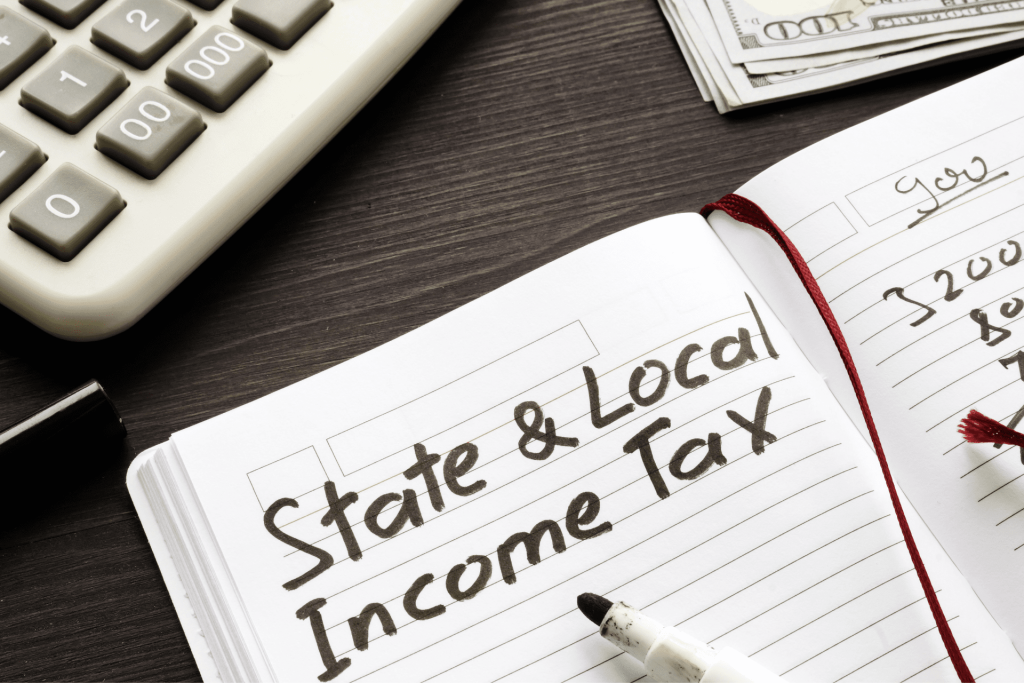
When it comes to taxes, it’s not just the federal government you need to consider. State and local taxes can play a significant role in your overall tax liability. In this blog post, we’ll explore state-specific tax considerations and shed light on how state and local taxes can impact your financial landscape. State Income Tax: 1. Understanding State Income Taxes: Not all states impose income taxes, but those that do can have varying tax rates, deductions, and exemptions. Understanding your state’s tax laws is crucial for accurate tax planning. 2. Multistate Taxation: If you live in one state and work in another or have income sources in multiple states, you may face complex multistate tax considerations. Sales Tax and Use Tax: 1. State Sales Tax: Sales tax rates and rules differ from state to state, affecting the cost of living and business operations. 2. Use Tax: In states with a sales tax, use tax often applies to out-of-state purchases, impacting online shopping and business expenses. Property Taxes: 1. Property Tax Rates: Property tax rates can vary widely among states and localities, influencing the cost of homeownership and the value of real estate investments. State Tax Credits and Incentives: 1. State Tax Benefits: Some states offer tax credits and incentives for specific activities, such as energy-efficient home improvements or job creation. These can provide significant savings. Estate Taxes: 1. State Estate Taxes: While federal estate taxes apply to high-value estates, some states also impose their own estate or inheritance taxes. Professional Guidance: Navigating state-specific tax considerations can be intricate. Consulting with a tax professional who is well-versed in your state’s tax laws can help you make informed decisions and optimize your overall tax strategy. Your state of residence and income sources play a pivotal role in your tax situation. State and local taxes can significantly impact your overall tax liability and financial decisions. By understanding these state-specific considerations, you can make informed choices that align with your financial goals and lifestyle. Get a closer look at state-specific tax considerations. Click to book a meeting and optimize your tax picture. Ready to file now? Complete our 2023 Tax Season Questionnaire to get started.
Navigating Your Golden Years: The Tax Advantages of Retirement Planning

Retirement is a significant life milestone, and proper planning can make all the difference when it comes to financial security during your golden years. One key aspect of retirement planning is understanding the tax advantages associated with contributions to retirement accounts, such as IRAs and 401(k)s. In this blog, we’ll delve into the world of retirement planning and how you can maximize tax benefits while securing your future. The Power of Retirement Accounts: 1. Individual Retirement Accounts (IRAs): – Traditional IRAs: Contributions to a traditional IRA may be tax-deductible, reducing your taxable income for the year in which you contribute. Your investments grow tax-deferred until retirement. – Roth IRAs: While Roth IRA contributions are not tax-deductible, qualified withdrawals are tax-free, providing tax-free income during retirement. 2. Employer-Sponsored 401(k) Plans: – 401(k) contributions are typically made with pre-tax dollars, reducing your taxable income. – Some employers offer matching contributions, effectively doubling your retirement savings. Contributions Limits: It’s important to stay informed about annual contribution limits for these retirement accounts. For 2023, the annual contribution limit for IRAs is $6,000, or $7,000 for individuals aged 50 and older. 401(k) contributions are capped at $20,500, with an additional catch-up contribution of $6,500 for those aged 50 and older. Retirement Tax Credits: Depending on your income, you may qualify for the Saver’s Credit, which provides a tax credit for contributions to retirement accounts. This credit can help offset a portion of your retirement savings and lower your overall tax liability. Early Withdrawals and Penalty Considerations: While retirement accounts offer tax benefits, it’s crucial to understand the rules for withdrawals. Early withdrawals from traditional IRAs or 401(k)s may result in penalties and taxes. Roth IRAs offer more flexibility, allowing you to withdraw contributions without penalties at any time. Seeking Professional Guidance: Navigating the world of retirement planning and understanding tax advantages can be complex. It’s advisable to consult with financial advisors and tax professionals who can help you make informed decisions tailored to your unique financial situation and goals. Retirement planning is not just about building a comfortable nest egg; it’s also about maximizing tax benefits along the way. Understanding the tax advantages of IRAs, 401(k)s, and retirement tax credits can make your retirement savings work smarter for you. As you embark on your retirement journey, remember that careful planning today can lead to a financially secure and tax-advantaged future. Plan a golden retirement with tax advantages. Click here to schedule a retirement tax planning consultation. Ready to file now? Complete our 2023 Tax Season Questionnaire to get started.
Understanding Tax Extensions: More Time, Less Stress

Filing your taxes by the deadline can be a daunting task, and sometimes, you might need more time to ensure everything is in order. In this blog post, we’ll explain the process and implications of filing for a tax extension, so you can make an informed decision if additional time is necessary. The Tax Extension Process: 1. Requesting an Extension: If you’re unable to meet the tax filing deadline, which is typically April 15th, you can request an extension using IRS Form 4868. This gives you an additional six months to file your return, extending the deadline to October 15th. 2. No Questions Asked: The IRS usually grants extensions automatically, so you don’t need to provide a reason for needing more time. However, timely payment of any taxes owed is essential to avoid penalties and interest. Implications of Filing for an Extension: 1. Additional Time to File: The most obvious benefit is the extra time to prepare your tax return properly, reducing the chances of errors and oversight. 2. Penalties and Interest: While an extension allows more time to file, it doesn’t extend the time to pay any taxes owed. Failing to pay by the original due date can result in penalties and interest. 3. State Extensions: Keep in mind that state tax agencies have their own rules regarding extensions, and some states may not grant an extension if the federal extension is not approved. Professional Guidance: If you’re unsure whether to file for an extension or need assistance with the process, consider consulting with a tax professional. They can help you make the right decision and guide you through the extension process if necessary. As we approach the end of tax season, please note that after April 13th, we will no longer be accepting new tax filings. Our focus will shift to filing extensions and finalizing returns for clients who have already submitted their information. Filing for an extension offers the breathing room needed to ensure your tax return is complete and accurate without the rush. While this can alleviate the pressure of the tax deadline, it’s important to understand how extensions work and the importance of making any necessary tax payments on time to avoid penalties. If you need additional time, we’re here to help. Visit our website to learn more about tax extensions and schedule a stress-free consultation to get your extension filed accurately and efficiently. Ready to file now? Complete our 2023 Tax Season Questionnaire to get started.
Protecting Your Financial World: Guarding Against Tax Identity Theft

Your financial information is valuable and needs safeguarding. Tax identity theft is a serious concern, and in this blog post, we’ll explore what it is, how it happens, and what you can do to protect yourself. By understanding the risks and implementing security measures, you can reduce the likelihood of becoming a victim of tax identity theft. What Is Tax Identity Theft? Tax identity theft occurs when someone uses your personal information to file a fraudulent tax return and claim your refund. It can lead to significant financial and personal stress. How Does It Happen? Tax identity thieves use various tactics to obtain your information. Common methods include phishing emails, data breaches, stolen mail, and social engineering. Protecting Your Personal and Financial Information: Here are essential steps to safeguard your data and minimize the risk of tax identity theft: 1. Strong Passwords: Use complex passwords for online accounts and update them regularly. 2. Secure Wi-Fi: Ensure your home network is protected with a strong password to prevent unauthorized access. 3. Beware of Phishing: Be cautious of unsolicited emails or calls requesting personal information. Verify the source before sharing any details. 4. Secure Documents: Store physical documents in a safe place and shred sensitive paperwork before disposal. 5. Monitor Accounts: Regularly review your financial statements and credit reports for unusual activity. 6. File Early: File your tax return early to beat potential thieves to the punch. 7. Use Secure Websites: Only provide personal information on secure, trusted websites. 8. Stay Informed: Keep up to date with the latest tax identity theft prevention tips. What to Do If You Suspect Tax Identity Theft: If you believe you’ve fallen victim to tax identity theft, take these immediate steps: – Contact the IRS and file a Form 14039, Identity Theft Affidavit. – Report the incident to your local police department. – Notify the credit bureaus to place a fraud alert on your credit report. Protecting your personal and financial information is an ongoing commitment. By staying informed and implementing the recommended security measures, you can significantly reduce the risk of falling prey to tax identity theft. Your financial security is our priority, and we’re here to support you. If you have any questions or need guidance on safeguarding your information, please don’t hesitate to reach out. Together, we can build a more secure financial world. Protect against tax identity theft. Visit our site for preventive strategies and book a consultation to secure your finances. Ready to file now? Complete our 2023 Tax Season Questionnaire to get started.
Safeguarding Your Finances: A Guide to Recognizing and Avoiding Common Tax Scams

Tax season can be a stressful time for many, and it’s precisely this stress that scammers and fraudsters exploit to steal your personal and financial information. While the vast majority of tax professionals and institutions are legitimate, there are always a few bad actors seeking to take advantage of unsuspecting individuals. In this blog, we aim to educate our clients about common tax scams and fraud attempts to help protect their personal and financial information. 1. Phishing Scams: One of the most prevalent tax scams is phishing. Scammers send emails, text messages, or make phone calls posing as the IRS, tax software companies, or tax professionals. They may request sensitive information such as Social Security numbers, bank account details, or credit card numbers. To protect yourself, verify the legitimacy of any communication and never share sensitive data unless you’re certain it’s safe. 2. Identity Theft: Identity theft can have severe consequences. Scammers may file fraudulent tax returns in your name to claim tax refunds. To safeguard your identity, file your tax return as early as possible and use strong, unique passwords for your tax software accounts. 3. Fake Charities: Beware of scams involving fake charities seeking donations. Fraudulent organizations mimic legitimate charities, especially during times of crisis. Verify the legitimacy of a charity before donating, and never provide personal or financial information over the phone. 4. Tax Preparer Fraud: Some unscrupulous tax preparers may overstate deductions, underreport income, or engage in other fraudulent activities. To avoid this, choose a qualified and reputable tax professional. Ask for recommendations and check their credentials. 5. Inflated Refund Promises: Beware of anyone promising inflated refunds or “secret” tax breaks in exchange for a fee. If it sounds too good to be true, it probably is. Avoid tax preparers or organizations making unrealistic promises. 6. Scare Tactics: Scammers may use scare tactics, such as threatening arrest or legal action, to manipulate you into providing personal information or making immediate payments. Remember that the IRS typically initiates contact through regular mail and won’t make threatening calls. 7. Fraudulent Tax Software: Be cautious when downloading tax software. Scammers create fake tax software websites that may contain malware or steal your information. Stick to well-known and reputable tax software providers. 8. Vishing Scams: Vishing (voice phishing) is a phone-based scam where fraudsters impersonate IRS agents. They may ask for payment or personal information over the phone. If in doubt, hang up and call the IRS directly to confirm the legitimacy of the call. 9. Protect Personal and Financial Information: Safeguard your personal and financial data diligently. Use secure connections when sharing sensitive information, regularly monitor your accounts, and shred old tax documents. 10. Stay Informed: Knowledge is your best defense. Stay informed about the latest tax scams and be skeptical of unsolicited requests for information or payment. In conclusion, protecting your personal and financial information during tax season is crucial. By staying informed about common tax scams and fraud attempts, you can reduce the risk of falling victim to these fraudulent schemes. If you ever have doubts about the legitimacy of a tax-related communication or need guidance, don’t hesitate to reach out to reputable tax professionals. Your financial security is our priority. By staying vigilant and informed, you can ensure a safe and secure tax season for you and your family. Secure your finances against scams. Learn more on our website and book a meeting to safeguard your assets today! Ready to file now? Complete our 2023 Tax Season Questionnaire to get started.
The Role of Tax Accountants in Estate Planning

Estate planning is a critical component of financial management that is often overlooked. While legal professionals primarily help with estate planning, tax accountants also play an important role. They provide expertise in navigating complex tax laws to minimize tax liabilities and maximize the estate value for future generations. Read on to understand the pivotal role of tax accountants in estate planning. Comprehensive Financial Assessment Tax professionals provide valuable insights into creating a solid estate plan by carefully analyzing assets, liabilities, and revenue streams. A proactive approach like this enables you to make informed decisions about wealth distribution, giving your family the best benefits. Expert Guidance in Tax Planning Estate planning involves several tax implications, resulting in complex challenges. Tax accountants are well-versed in tax laws and regulations and can assist you in developing efficient strategies. They use trusts, strategic giving, and other financial mechanisms to decrease tax liabilities, protecting wealth for future generations. Strategies for Asset Protection Asset protection is crucial in estate planning as it safeguards money from potential threats. Tax accountants use family limited partnerships or limited liability companies and help individuals establish effective asset protection strategies. These agreements protect assets from creditors and legal claims while facilitating a smooth transfer of ownership. Coordination with Legal Professionals Collaboration between tax accountants and law experts is essential for a legally sound estate plan. Tax accountants customize estate planning based on your financial goals, while legal professionals handle the complex documentation. Regular Reviews and Updates Estate planning is a continuous procedure that requires regular evaluations and revisions. Tax accountants can provide ongoing support by actively monitoring changes in financial situations and tax rules. By evaluating it regularly, individuals can ensure that their estate plan remains relevant to their changing goals. Probate Avoidance Assets that go through probate can result in taxation and lengthy legal proceedings. Tax specialists can help avoid this by using strategies like shared ownership or revocable living trusts, which can facilitate asset transfers more quickly. Gift Tax Planning Tax accountants assist in effectively using annual gift tax exclusions and lifetime gift tax exemptions to decrease gift or inheritance tax liabilities. This guarantees that assets are efficiently transferred with maximum savings. Charitable Giving Strategies Tax accountants help us make charitable giving a component of estate planning to maximize tax benefits for the donor. They recommend tax-efficient strategies like donor-advised funds or charitable trusts for making charitable contributions. Tax accountants play a crucial role in estate planning. Their financial and tax planning skills and collaboration with legal specialists guarantee long-term economic benefits. To partner with a trustworthy tax accountant, you can contact MacNeal LLC. Our team of qualified professionals is ready to assist you with estate planning. Reach out to us today to find out how we can help you.
Maximizing Your Financial Health: Tax Planning Tips for the Current Year and Beyond

When it comes to managing your finances, planning ahead can make all the difference. Tax planning, in particular, is an essential aspect of optimizing your financial situation for the present year and setting a strong foundation for the future. In this blog post, we will explore some valuable tax planning tips and strategies to help you navigate the complexities of the tax code, reduce your tax liability, and secure your financial well-being. 1. Stay Informed: Tax laws change, and it’s crucial to stay informed about updates that may affect your financial situation. Subscribing to tax newsletters, following trusted financial news sources, or consulting with a tax professional can help you stay up-to-date. 2. Maximize Retirement Contributions: Contributing to retirement accounts like 401(k)s and IRAs can not only help secure your future but also reduce your taxable income for the current year. Be sure to take advantage of these tax-advantaged savings opportunities. 3. Leverage Tax Credits: Explore available tax credits, such as the Child Tax Credit, Education Credits, and the Earned Income Tax Credit. These credits can reduce your tax liability significantly. 4. Consider Tax-Efficient Investments: Invest in assets that have favorable tax treatment. For example, long-term capital gains are typically taxed at a lower rate than ordinary income, so consider holding investments for the long term. 5. Plan Charitable Contributions: Donating to qualified charities not only supports causes you care about but can also lead to tax deductions. Keep records of your donations, and be aware of the rules governing charitable contributions. 6. Optimize Your Business Structure: If you own a business, your choice of business structure can impact your taxes. Consult with a tax advisor to ensure you’re using the most tax-efficient structure. 7. Be Mindful of Timing: The timing of your income and deductions can have a significant impact on your tax liability. Consider when to receive income and when to make deductible expenses. 8. Create a Tax Strategy: Develop a personalized tax strategy that aligns with your financial goals. This strategy should include short-term and long-term goals to ensure your tax planning is effective over time. 9. Consult a Tax Professional: While these tips can provide a good starting point, the intricacies of tax planning often require the expertise of a tax professional. A certified tax advisor can help you navigate complex tax laws, identify opportunities, and create a tailored tax plan. 10. Plan for the Future: Tax planning isn’t just about the current year; it’s also about setting up a solid foundation for your financial future. Work with a financial advisor to develop a holistic financial plan that encompasses retirement, investments, and estate planning. In conclusion, effective tax planning is a proactive approach to managing your finances. By staying informed, leveraging available tax strategies, and seeking expert advice, you can optimize your financial situation not just for the current tax year but for years to come. Start your tax planning journey today to secure a brighter financial future. Reflect on your finances and plan ahead. Visit our site to book a future-focused financial planning consultation.
Tracking Your Tax Refund: A Step-by-Step Guide

Tax season is in full swing, and many clients eagerly anticipate their tax refunds. It’s important to stay informed about the status of your refund and how you can track its progress with the IRS. In this blog post, we’ll provide you with a step-by-step guide to check the status of your tax refund, ensuring you’re up to date and can manage your finances accordingly. Step 1: Gather Your Information Before you begin, make sure you have the necessary information ready. You’ll need your Social Security Number, your filing status, and the exact refund amount you’re expecting. Having this information at your fingertips will streamline the process. Step 2: Visit the IRS Website The most direct way to track your refund is by visiting the official IRS website. On the “Where’s My Refund?” page, you’ll find a user-friendly tool to check your refund status. You can access this tool at www.irs.gov/refunds. Step 3: Enter Your Information Once you’re on the IRS website, enter your Social Security Number, your filing status, and the exact refund amount as requested. Make sure to double-check your entries to ensure accuracy. Step 4: Check Your Refund Status After providing your information, the IRS tool will display your refund’s status. You’ll be able to see whether your return has been received, processed, and the expected date of your refund. It’s important to note that refund processing times can vary, so check back periodically for updates. Step 5: Utilize IRS2Go Mobile App For those who prefer mobile access, the IRS offers the IRS2Go app. You can download this app on your smartphone and use it to check your refund status while on the go. It’s available for both Android and iOS devices. Step 6: Contact the IRS If you encounter issues or have specific questions about your refund, you can contact the IRS directly. They provide a toll-free hotline for refund inquiries, which can be found on their website. Step 7: Be Patient and Stay Informed Remember that refund processing times can vary, so it’s essential to be patient. Keep an eye on the status, and as your refund moves through the process, you’ll be well-prepared to make financial decisions. Tracking your tax refund is a straightforward process when you follow these steps. It ensures that you’re informed about the status of your refund and can plan your finances accordingly. Remember that the IRS is there to assist you if you have any questions or issues. By staying proactive and informed, you can navigate tax season with confidence. If you have any specific questions or require assistance in managing your tax affairs, don’t hesitate to reach out to our team. We’re here to support your financial success during this tax season and beyond. Track your refund like a pro. Click here for a step-by-step guide and personalized assistance. Ready to file now? Complete our 2023 Tax Season Questionnaire to get started.
Self-Employed? Mastering Your Taxes and Boosting Your Bottom Line

Being self-employed offers freedom, but it also comes with the responsibility of handling your taxes. From self-employment taxes to quarterly estimated tax payments and deductible business expenses, managing your financial obligations is essential for your financial success. In this blog, we’ll provide guidance to self-employed individuals on navigating these aspects to ensure you not only comply with the law but also maximize your after-tax earnings. Understanding Self-Employment Taxes: Self-employed individuals are subject to self-employment taxes, which cover Social Security and Medicare. Unlike employees, you must pay both the employer and employee portions of these taxes. This can result in a substantial tax burden, but it’s vital for securing your future Social Security benefits. Quarterly Estimated Tax Payments: To avoid surprises come tax time, self-employed individuals are required to make quarterly estimated tax payments. These payments help you stay current on your tax obligations and prevent underpayment penalties. Accurately estimating your income and deductions is crucial for determining the right payment amount. Deductible Business Expenses: One significant advantage of being self-employed is the ability to deduct legitimate business expenses. These deductions can significantly reduce your taxable income, leading to lower tax liability. Common deductible expenses include office supplies, professional fees, advertising costs, travel expenses, and more. Keeping detailed records is essential to substantiate your claims. Retirement Planning: As a self-employed individual, you’re responsible for your retirement savings. Consider opening a Simplified Employee Pension (SEP) IRA, a Solo 401(k), or a Simplified Employee Pension (SIMPLE) IRA to take advantage of tax-advantaged retirement savings. Contributions to these plans can reduce your taxable income while helping you secure your financial future. Tax Planning and Professional Assistance: Navigating self-employment taxes and maximizing your deductions can be complex. It’s advisable to work with a tax professional who can guide you through the process, help you identify deductions, and ensure compliance with tax laws. Professional assistance can lead to tax savings and peace of mind. As a self-employed individual, handling self-employment taxes, quarterly estimated payments, and deductible business expenses is essential for financial success. By understanding these tax aspects, you can minimize your tax liability and make the most of your earnings. With diligent record-keeping, smart financial planning, and professional guidance, you can thrive in the world of self-employment while securing your financial future. Self-employed? Boost your bottom line with our tax mastery guide. Book your session now and elevate your earnings. Ready to file now? Complete our 2023 Tax Season Questionnaire to get started.